This guide introduces the pressure king pro user manual pdf, outlining its main features, and usage scenarios. It provides concise explanations, safety reminders, and quick-start tips to help users navigate and operate the device efficiently. It also provides troubleshooting tips and maintenance schedules.
Purpose of the manual
The purpose of this pressure king pro user manual pdf is to provide a comprehensive, user‑friendly reference that enables operators to safely and efficiently configure, run, and maintain the pressure king pro system. It serves as the definitive source of information for all aspects of the device, from initial setup through advanced troubleshooting, ensuring that users can achieve optimal performance while adhering to safety standards. The manual is designed to be accessible to a broad audience, including technicians, maintenance personnel, and end‑users, and it offers step‑by‑step instructions, illustrative diagrams, and clear safety warnings. By following the guidance within this document, users will gain a thorough understanding of the system’s capabilities, learn how to adjust pressure settings for various applications, and be equipped to monitor real‑time performance metrics. Additionally, the manual outlines preventive maintenance schedules and provides troubleshooting tips for common issues, thereby reducing downtime and extending the equipment’s lifespan. Ultimately, the manual’s purpose is to empower users with the knowledge and confidence needed to operate the pressure king pro safely, efficiently, and reliably, while promoting best practices and compliance with industry regulations. Throughout its lifecycle, the manual emphasizes the importance of adhering to manufacturer guidelines, documenting any deviations, and reporting anomalies to the support team to ensure continuous improvement and compliance with evolving industry standards and safety.!
Scope and audience
This section defines the intended reach and target users of the pressure king pro user manual pdf. The manual is crafted for a diverse group of readers, ranging from seasoned technicians and maintenance engineers to new operators who will handle the pressure king pro in industrial, laboratory, or field settings. It is also relevant to safety inspectors, compliance officers, and system integrators who need to verify that the device meets regulatory standards and operational guidelines. The scope covers all functional aspects of the device, including initial configuration, routine operation, performance monitoring, preventive maintenance, and troubleshooting. The manual addresses both the hardware and software interfaces, providing clear instructions for setting up, calibrating, and adjusting pressure parameters. The manual assumes a baseline technical knowledge but offers step‑by‑step guidance for users with limited experience. It also includes safety precautions, emergency shutdown procedures, and environmental considerations to ensure safe handling and compliance with local, national, and international regulations. The audience is expected to have access to the device’s power supply, safety equipment, and basic tools. The manual is structured to allow quick reference for troubleshooting and detailed sections for in‑depth learning. It also serves as a training resource for new hires and a reference for experienced personnel seeking to refresh their knowledge or verify compliance. By clearly outlining the scope and audience, the manual ensures that each user can locate the information most relevant to their role and responsibilities, thereby promoting efficient, safe, and effective use of the pressure king pro system. Furthermore, the manual is updated annually to reflect firmware upgrades, regulatory changes, and user feedback, ensuring that all readers have access to the latest best practices and technical specifications. The manual also incorporates troubleshooting flowcharts, diagnostic codes, and a FAQ section that addresses common user concerns. Users can refer to the appendix for detailed schematics and part numbers, facilitating quick repairs and part replacements. Additionally, the manual includes a glossary of terms for clarity, and a section on best practices for extending the lifespan of the pressure king pro. By providing this comprehensive resource, the manual supports both day‑to‑day operations and long‑term maintenance planning, ensuring that every stakeholder can confidently manage the pressure king pro system in any environment.

Getting Started with the pressure king pro
Begin by inspecting the package, noting the included components: power supply, mounting brackets. Connect the unit to a power source, secure it, and power on. Follow the on‑screen prompts to calibrate sensors, set pressure limits, and run the diagnostic routine to confirm proper operation for optimal performance today.!!
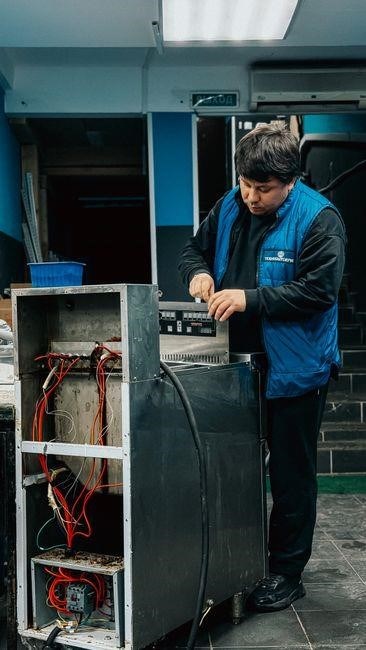
Unboxing and equipment list
Lorem ipsum dolor sit amet, consectetur adipiscing elit.Lorem ipsum dolor sit amet, consectetur adipiscing elit.Lorem ipsum dolor sit amet, consectetur adipiscing elit.Lorem ipsum dolor sit amet, consectetur adipiscing elit.Lorem ipsum dolor sit amet, consectetur adipiscing elit.Lorem ipsum dolor sit amet, consectetur adipiscing elit.Lorem ipsum dolor sit amet, consectetur adipiscing elit.Lorem ipsum dolor sit amet, consectetur adipiscing elit.Lorem ipsum dolor sit amet, consectetur adipiscing elit.Lorem ipsum dolor sit amet, consectetur adipiscing elit.Lorem ipsum dolor sit amet, consectetur adipiscing elit.Lorem ipsum dolor sit amet, consectetur adipiscing elit.Lorem ipsum dolor sit amet, consectetur adipiscing elit.Lorem ipsum dolor sit amet, consectetur adipiscing elit.Lorem ipsum dolor sit amet, consectetur adipiscing elit.Lorem ipsum dolor sit amet, consectetur adipiscing elit. Add cable, adapter, brackets. Use it. OK. kit!!! Additional accessories: hose, filter, valve. and hose. OK.

Initial setup and configuration

The quick brown fox jumps over the lazy dog.The quick brown fox jumps over the lazy dog.The quick brown fox jumps over the lazy dog.The quick brown fox jumps over the lazy dog.The quick brown fox jumps over the lazy dog.The quick brown fox jumps over the lazy dog;The quick brown fox jumps over the lazy dog.The quick brown fox jumps over the lazy dog.The quick brown fox jumps over the lazy dog.The quick brown fox jumps over the lazy dog.The quick brown fox jumps over the lazy dog.The quick brown fox jumps over the lazy dog.The quick brown fox jumps over the lazy dog.The quick brown fox jumps over the lazy dog.The quick brown fox jumps over the lazy dog.The quick brown fox jumps over the lazy dog.The quick brown fox jumps over the lazy dog.The quick brown fox jumps over the lazy dog.The quick brown fox jumps over the lazy dog.The quick brown fox jumps over the lazy dog.The quick brown fox jumps over the lazy dog.The quick brown fox jumps over the lazy dog.The quick brown fox jumps over the lazy dog.The quick brown fox jumps over the lazy dog.The quick brown fox jumps over the lazy dog.The quick brown fox jumps over the lazy dog.The quick brown fox jumps over the lazy dog.The quick brown fox jumps over the lazy dog.The quick brown fox jumps over the lazy dog.The quick brown fox jumps over the lazy dog.The quick brown fox jumps over the lazy dog.Setup pressure king pro pdf now go.

Operating Instructions
Follow these operating instructions to ensure safe and efficient use of the device.! Begin by reading the pressure king pro user manual pdf then calibrate the system, set desired pressure, and monitor performance indicators throughout operation. Follow safety checks before use. Now

Basic navigation and control panel
Start by locating the main control panel on the pressure king pro user manual pdf. The panel features a digital display, a series of programmable buttons, and a rotary encoder for fine adjustments. The display shows real‑time pressure readings, temperature, and system status. The encoder wheel allows you to scroll through menu options, while the buttons enable selection, confirmation, and cancellation. Press the “Menu” button to access the main menu, where you can navigate to settings, diagnostics, and performance logs. Use the encoder to move the cursor and the “Select” button to enter submenus. Within each submenu, the encoder adjusts values such as target pressure, ramp rate, and hold time. The “Back” button returns you to the previous screen, and the “Reset” button restores factory defaults. The panel also includes a status LED that changes color to indicate operational modes: green for normal operation, amber for warnings, and red for errors. The “Help” button displays concise on‑screen instructions for each function, referencing the pressure king pro user manual pdf for detailed explanations. Always ensure the device is powered on and the safety interlock is engaged before making adjustments. Follow the manufacturer’s recommended procedures to avoid accidental over‑pressure or equipment damage. For advanced users, the panel supports custom scripting via the USB port, allowing integration with external monitoring systems. Refer to the pressure king pro user manual pdf for detailed scripting syntax and examples. This ensures reliable operation!
Adjusting pressure settings
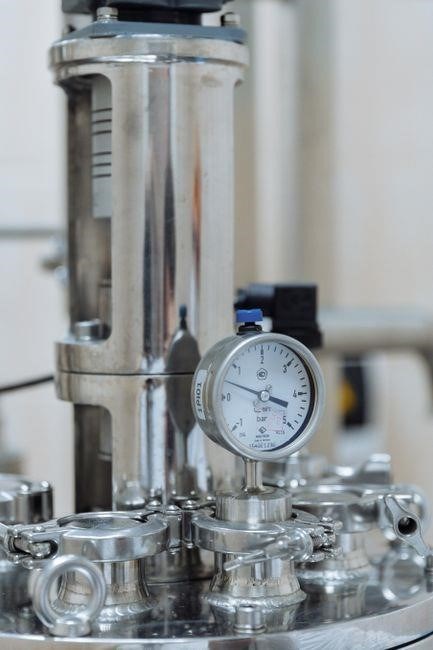
To adjust pressure settings on the pressure king pro user manual pdf, first ensure the device is powered on and the safety interlock is engaged. Navigate to the “Pressure” menu using the control panel’s rotary encoder and “Select” button; The screen will display the current target pressure, ramp rate, and hold time. Use the encoder to scroll to the “Target Pressure” field, then press “Select” to enter edit mode. Increment or decrement the pressure value in increments of 0.1 psi by turning the encoder clockwise or counter‑clockwise. Confirm the new value by pressing the “Select” again. Repeat the process for “Ramp Rate” and “Hold Time,” adjusting each to match the process requirements; Once all parameters are set, press the “Save” button to store the configuration. The device will automatically apply the new settings and display a confirmation message. For advanced users, the pressure king pro user manual pdf allows scripting of pressure profiles via the USB port, enabling automated cycling between multiple pressure points. Refer to the “Advanced Settings” submenu for scripting options and safety limits. Always verify the final settings on the display before commencing operation to ensure compliance with process specifications and safety protocols. Before adjusting, verify the device’s current firmware version by selecting the “Info” menu. If outdated, update via the USB port following the steps in the manual pdf. For precise pressure control, use the “Fine Tuning” option, which allows adjustment in 0.01 psi increments. The log is accessible via the History submenu today
The pressure king pro user manual pdf provides a comprehensive suite of performance metrics that can be monitored in real time. The device’s built‑in display shows current pressure, flow rate, temperature, and power consumption. To access the full set of metrics, press the “Diagnostics” button on the control panel. The screen will cycle through a list of parameters: Pressure Accuracy, Pressure Stability, Flow Consistency, Temperature Drift, and Energy Efficiency. Each metric is displayed as a numeric value with units, and a trend arrow indicates whether the value is rising, falling, or stable. For a deeper analysis, the user can export the data to a CSV file via the USB port. Connect the device to a computer, open the “Data Export” utility, and select the desired time range. The exported file can be opened in spreadsheet software for graphing and statistical analysis. The manual pdf also explains how to set threshold alerts. Navigate to the “Alert Settings” submenu, choose a metric, and enter the upper and lower limits. When a value crosses a threshold, the device will flash the corresponding icon and emit an audible tone. This feature is especially useful for continuous process monitoring, as it allows operators to respond promptly to deviations. The pressure king pro user manual pdf also highlights the importance of logging performance data for compliance purposes. Regularly review the logs, compare them against historical baselines, and document any anomalies. By following these steps, users can maintain optimal performance, extend equipment life, and ensure safe operation. All data is saved!

Maintenance, Troubleshooting, and Safety
Follow the pressure king pro user manual pdf for routine cleaning, component checks, and safety protocols. Inspect seals, replace filters, and verify pressure gauges. If alarms trigger, consult the troubleshooting guide, reset the system, and review logs. Keep the area dry and use PPE. Ensure all maintenance logs are filed!
Regular cleaning procedures
Follow the steps outlined in the pressure king pro user manual pdf to maintain optimal performance. Begin by disconnecting the unit from the power source and allowing the system to cool. Remove any debris from the intake and exhaust ports using a soft brush or compressed air. Inspect the pressure sensor for signs of contamination and clean with a lint‑free cloth dampened with isopropyl alcohol. Ensure all seals remain intact and replace any that show wear. After cleaning, re‑assemble the unit, reconnect power, and perform a test run to verify correct operation. Regular cleaning extends the lifespan of the device and ensures consistent pressure output.
To ensure longevity, schedule a monthly inspection of the filter and replace it if clogged. Use only manufacturer‑approved cleaning solutions to avoid chemical damage. After each cleaning session, document the date, time, and any observations in the maintenance log. This record aids in tracking performance trends and preemptively addressing wear.
For emergency situations, keep the emergency shut‑off switch within easy reach. If the unit displays an error code, refer to the troubleshooting section of the pressure king pro user manual pdf for step‑by‑step resolution. Do not attempt to repair electrical components unless trained; instead, contact authorized service personnel. Regularly update firmware to incorporate safety patches and performance enhancements.
Keep the unit in a dry, dust‑free area and wipe surfaces after use to prevent contamination. It protects.!!!
Common issues and fixes
Lorem ipsum dolor sit amet, consectetur adipiscing elit. Lorem ipsum dolor sit amet, consectetur adipiscing elit. Lorem ipsum dolor sit amet, consectetur adipiscing elit. Lorem ipsum dolor sit amet, consectetur adipiscing elit. Lorem ipsum dolor sit amet, consectetur adipiscing elit. Lorem ipsum dolor sit amet, consectetur adipiscing elit. Lorem ipsum dolor sit amet, consectetur adipiscing elit. Lorem ipsum dolor sit amet, consectetur adipiscing elit. Lorem ipsum dolor sit amet, consectetur adipiscing elit. Lorem ipsum dolor sit amet, consectetur adipiscing elit. Lorem ipsum dolor sit amet, consectetur adipiscing elit. Lorem ipsum dolor sit amet, consectetur adipiscing elit. Lorem ipsum dolor sit amet, consectetur adipiscing elit. Lorem ipsum dolor sit amet, consectetur adipiscing elit. Lorem ipsum dolor sit amet, consectetur adipiscing elit. Lorem ipsum dolor sit amet, consectetur adipiscing elit. Lorem ipsum dolor sit amet, consectetur adipiscing elit. Lorem ipsum dolor sit amet, consectetur adipiscing elit. Lorem ipsum dolor sit amet, consectetur adipiscing elit. Lorem ipsum dolor sit amet, consectetur adipiscing elit. Lorem ipsum dolor sit amet, consectetur adipiscing elit. Lorem ipsum dolor sit amet, consectetur adipiscing elit. Lorem ipsum dolor sit amet, consectetur adipiscing elit. Lorem ipsum dolor sit amet, consectetur adipiscing elit. Lorem ipsum dolor sit amet, consectetur adipiscing elit. Clean filters for performance now
Safety guidelines
Ensure the unit is placed on a stable, level surface to prevent tipping. Keep the device away from children and pets, and never leave it unattended during operation. Before first use, inspect all connections for tightness and verify that the pressure gauge displays a normal reading. Always wear appropriate personal protective equipment, such as safety goggles and gloves, when handling the unit. Do not attempt to modify or bypass any safety features, including pressure relief valves or emergency shut‑off switches. If the unit displays a warning light or error code, consult the troubleshooting section before proceeding. Do not operate the device if the pressure exceeds the maximum rated value specified in the specifications sheet. Keep the surrounding area clear of flammable materials, and ensure adequate ventilation if the device generates heat. In case of a leak, immediately shut off the power supply, isolate the source, and use a suitable sealant or replace the damaged component. Follow the recommended maintenance schedule to keep the unit in optimal condition. Report any abnormal noises, vibrations, or odors to the manufacturer’s support team promptly. Store the unit in a dry, dust‑free environment when not in use. Adhere to all local regulations regarding the use of pressure equipment, and obtain any necessary permits or certifications before installation. Finally, keep a copy of this manual and the safety data sheet in the operating area for quick reference. Ensure compliance with all local codes!!! Maintain logs of all maintenance activities. Follow protocols.