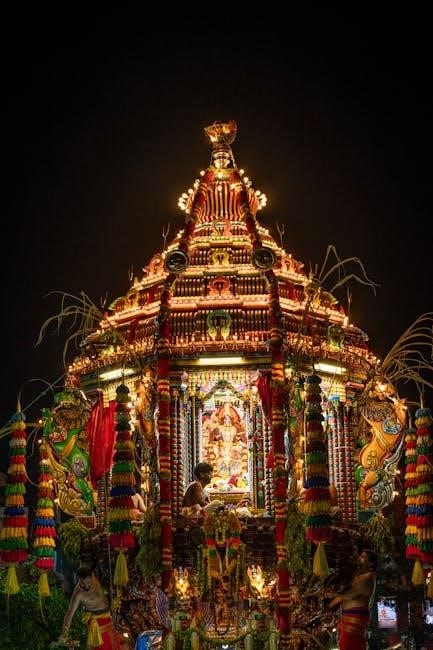
Vinayaka Chavithi Katha: A Comprehensive Plan
The Telugu PDF details the Vinayaka Chavithi Katha, emphasizing Parvati’s creation of Ganesha and the subsequent events involving Shiva’s intervention․
Vinayaka Chavithi, a profoundly significant festival, honors Lord Ganesha, the elephant-headed deity revered as the remover of obstacles and harbinger of prosperity․ The Telugu PDF resource provides a glimpse into the cultural and religious importance attached to this celebration, particularly focusing on the narrative – the Katha – central to the festivities․ This Katha details the divine birth of Ganesha, born from the devotion of Goddess Parvati, and the extraordinary circumstances surrounding his head’s severance and replacement․
The document underscores the festival’s deep roots in Hindu mythology and tradition, offering a foundational understanding of its spiritual essence․ It’s a celebration steeped in devotion, ritual, and storytelling, all culminating in the joyous immersion of the idol․
II․ Historical Background of the Festival
While the Telugu PDF primarily focuses on the Katha, it implicitly points to a long-standing tradition of Vinayaka Chavithi celebrations․ The narrative itself, detailing Parvati’s desire for a son and Ganesha’s creation, suggests ancient origins rooted in Hindu cosmology and devotional practices․ The document’s very existence as a preserved text indicates centuries of oral and written transmission of the story․
Though the PDF doesn’t explicitly detail historical timelines, the richness of the Katha implies a deeply embedded cultural history․ The festival’s evolution likely reflects regional variations and the influence of different dynasties, solidifying its place as a cornerstone of Hindu faith․
III․ The Legend of Lord Ganesha’s Birth
The Telugu PDF vividly recounts the legend of Lord Ganesha’s birth, beginning with Parvati’s desire for a son and her creation of a divine being from the turmeric paste․ This being, Ganesha, was tasked with guarding her privacy․ However, Shiva, unaware of Ganesha’s identity, was prevented from entering, leading to a conflict․
The PDF details the ensuing events, including the severing of Ganesha’s head and its subsequent replacement with an elephant’s head, restoring him to life․ This foundational story underscores themes of devotion, divine intervention, and the overcoming of obstacles․
III․A․ The Story of Parvati and the Creation of Ganesha
The Telugu PDF narrates Parvati’s longing for a son and her decision to create one independently․ Utilizing the sacred turmeric paste (pindi), she fashioned a divine child, imbuing him with life and appointing him as her gatekeeper․ This act stemmed from a desire for companionship and protection during her ablutions․
The document emphasizes Parvati’s divine power and agency in bringing Ganesha into existence․ This creation was not merely a wish fulfillment but a demonstration of her inherent creative energy, establishing Ganesha’s unique origin and purpose․
III․B․ The Severing of Ganesha’s Head and its Replacement
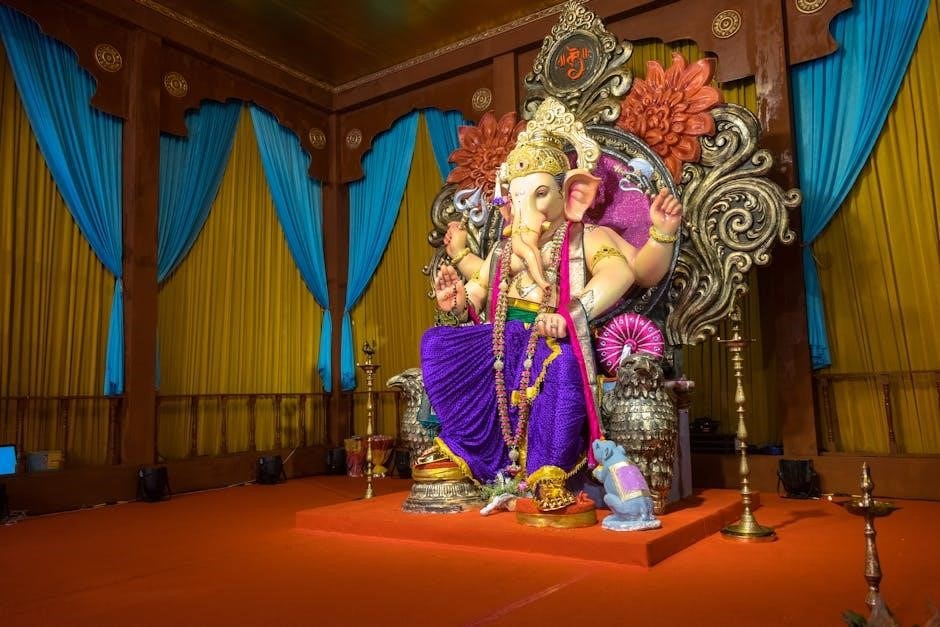
The Telugu PDF details the pivotal event of Shiva’s arrival and his denial of entry due to Ganesha’s unfamiliarity․ Ganesha, dutifully guarding Parvati, prevented Shiva’s access, leading to a conflict and Shiva severing Ganesha’s head․ Parvati, distraught, demanded Shiva restore her son․
Shiva, guided by divine instruction, tasked his ganas to bring the head of the first creature facing north – an elephant․ This head was then attached to Ganesha’s body, granting him his iconic form․ The PDF highlights this as a demonstration of divine will and acceptance of fate․
IV․ Significance of the Idol (Murti)
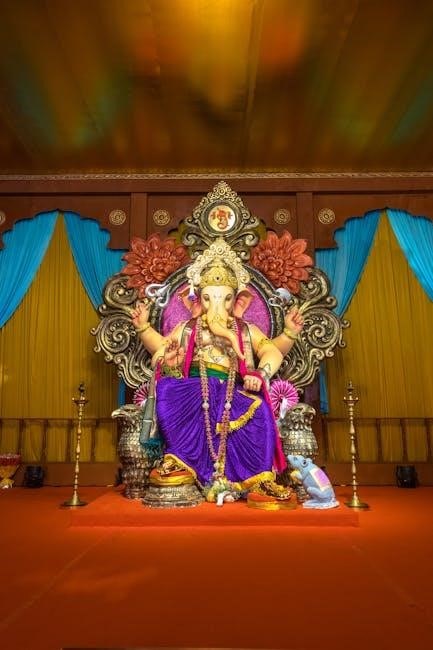
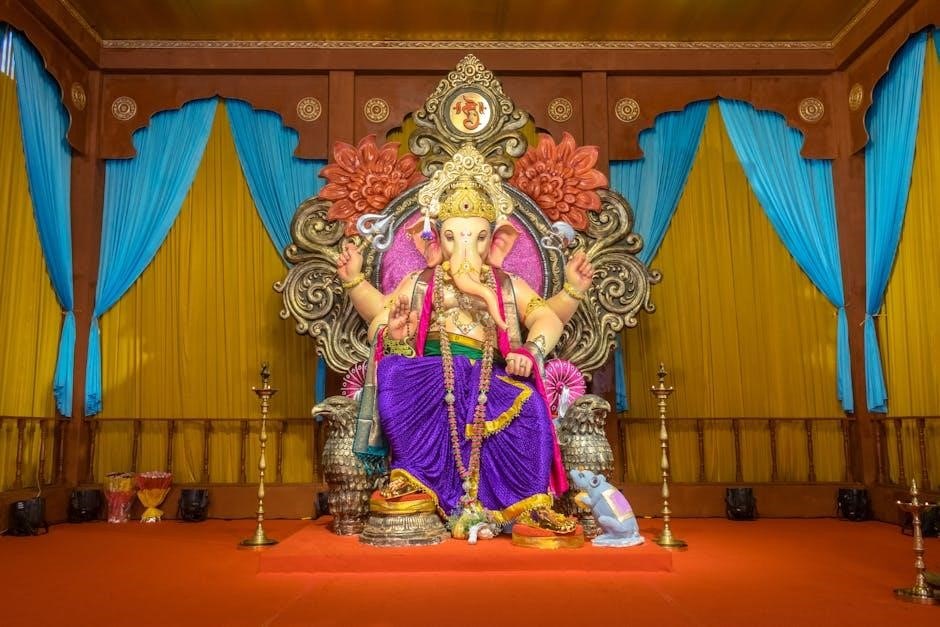
The Telugu PDF doesn’t explicitly detail idol creation materials, but implicitly underscores the murti’s symbolic importance․ The idol represents Ganesha’s divine presence, embodying auspiciousness and the removal of obstacles․ The form, as described in associated texts, is crucial․
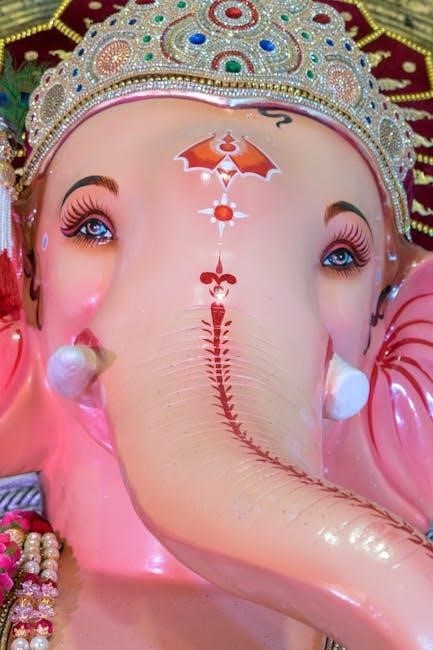
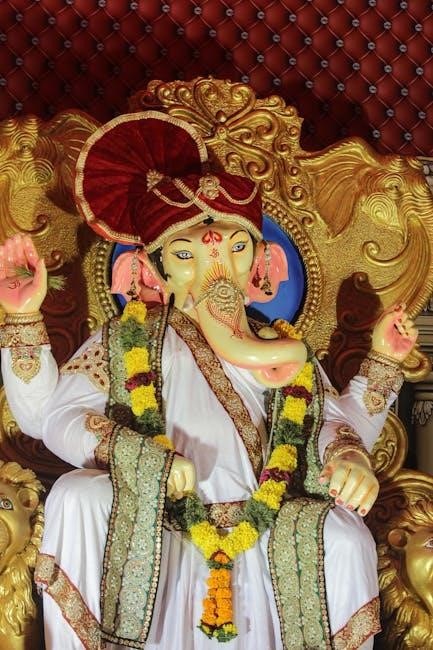
The elephant head signifies wisdom and intellect, while the large belly symbolizes contentment and the universe itself․ Ganesha’s features, including his broken tusk, represent sacrifice and the relinquishing of ego․ The murti serves as a focal point for devotion and a tangible manifestation of the divine narrative․
IV․A․ Materials Used in Idol Creation
Unfortunately, the provided Telugu PDF concerning the Vinayaka Chavithi Katha does not furnish specific details regarding the materials traditionally employed in crafting the idol (murti)․ However, broader cultural context suggests common materials include clay (both river clay and pottery clay), plaster of Paris, and increasingly, eco-friendly alternatives like paper mache or natural clay mixtures․
Traditional artisans often incorporate natural dyes for coloring, avoiding synthetic paints․ The choice of material often depends on regional customs, affordability, and the desired durability of the idol, reflecting a blend of artistic skill and devotional practice․
IV․B․ Symbolism of Ganesha’s Form (Elephant Head, Large Belly, etc․)
The Telugu PDF concerning the Vinayaka Chavithi Katha doesn’t explicitly detail the symbolism of Ganesha’s form․ However, the elephant head represents wisdom and intellect, signifying Ganesha’s ability to overcome obstacles through discerning intelligence․ The large belly symbolizes contentment and the universe itself, capable of holding everything within․
His small eyes and ears suggest focused attention and careful listening․ The broken tusk represents sacrifice, while the modak in his hand signifies rewards for devotion․ These features collectively embody auspiciousness and divine grace․
V․ Rituals and Traditions of Vinayaka Chavithi
The Vinayaka Chavithi Katha PDF, in Telugu, doesn’t comprehensively outline all rituals․ However, it implicitly supports the core traditions․ These include the Sthapana, or idol installation, followed by daily Puja with offerings of flowers, fruits, and modaks․ Special prayers and mantras are recited, invoking Ganesha’s blessings for prosperity and removing obstacles․
The document suggests a devotional atmosphere, emphasizing faith and reverence․ The narrative itself forms a central ritual, recounting Ganesha’s birth and significance, reinforcing the festival’s spiritual core․
V․A․ Idol Installation (Sthapana)
The Telugu Vinayaka Chavithi Katha PDF doesn’t directly detail the Sthapana process․ However, the very existence of the Katha implies the presence of an idol․ Sthapana involves carefully placing the Ganesha murti on a decorated platform, symbolizing welcoming the deity into the home․
Rituals often include chanting mantras and offering prayers to invoke Ganesha’s presence․ The PDF’s focus on the narrative suggests the idol serves as a focal point for devotional storytelling and spiritual connection during the festival․

V․B․ Daily Puja and Offerings
The provided Telugu Vinayaka Chavithi Katha PDF doesn’t explicitly outline daily puja rituals․ However, the document’s spiritual context suggests consistent devotion is central to the festival․ Daily worship typically involves offering flowers, incense, fruits, and sweets to the Ganesha idol․
Chanting mantras and reciting the Katha itself are integral parts of the puja․ The PDF’s narrative likely serves as a devotional text recited during these offerings, strengthening the devotee’s connection with Lord Ganesha and seeking his blessings․
V․C․ Special Prayers and Mantras
The Telugu Vinayaka Chavithi Katha PDF, while narrating the story, doesn’t directly list specific mantras for special prayers․ However, the document’s devotional tone implies the importance of mantra recitation during the festival․ Common mantras dedicated to Lord Ganesha, such as the Ganesha Gayatri Mantra and the Vakratunda Mahakaya Mantra, are frequently used․
Prayers often focus on removing obstacles, granting wisdom, and ensuring success․ Reciting the Katha itself can be considered a form of prayer, invoking Ganesha’s blessings and fostering a deeper spiritual connection․
VI․ The Vinayaka Chavithi Katha (Story)
The Telugu PDF extensively details the Vinayaka Chavithi Katha, centering on Parvati’s desire for a son and the subsequent creation of Ganesha from sandalwood paste․ It narrates how Shiva, returning unexpectedly, was denied entry by Ganesha, leading to a conflict and the severing of Ganesha’s head․
The story continues with the replacement of the head with that of an elephant, symbolizing wisdom and overcoming obstacles․ This narrative emphasizes devotion, divine intervention, and the acceptance of unforeseen circumstances, forming the core of the festival’s celebration․
VI․A․ Detailed Narrative of the Katha
The Telugu PDF’s detailed narrative begins with Parvati’s longing for a son and her creation of Ganesha from the sacred sandalwood paste․ She instructs him to guard her door while she bathes, a task Ganesha diligently performs․
Upon Shiva’s return, Ganesha, unfamiliar with him, prevents his entry, leading to a fierce confrontation․ Shiva, in anger, severs Ganesha’s head․ Parvati, devastated, demands Shiva restore their son, resulting in the replacement of Ganesha’s head with that of an elephant, bringing him back to life․
VI․B․ Moral Lessons and Teachings from the Katha
The Katha, as detailed in the Telugu PDF, imparts several vital lessons․ It highlights the importance of unwavering devotion to duty, exemplified by Ganesha’s steadfast guarding of Parvati’s door, even against his own father․
The story also emphasizes parental love and the lengths parents will go to for their children, demonstrated by Parvati’s insistence on Ganesha’s revival․ Furthermore, it teaches acceptance of fate and the divine plan, as Ganesha’s unique form symbolizes overcoming obstacles and embracing individuality․
VII․ Regional Variations in Celebrations
While the core narrative from the Telugu PDF remains consistent, regional celebrations of Vinayaka Chavithi exhibit diverse customs․ The document doesn’t detail these variations, but generally, Maharashtra features elaborate public processions and displays of idols․
Andhra Pradesh and Telangana observe the festival with family traditions and private worship․ Karnataka and Tamil Nadu have unique rituals involving specific offerings and prayers․ These regional differences demonstrate the festival’s adaptability and integration into local cultures, all stemming from the foundational Katha․
VII․A․ Maharashtra
The Telugu PDF doesn’t directly describe Maharashtra’s celebrations, but they are renowned for their grandeur․ Publicly, vibrant processions featuring elaborately decorated Ganesha idols are a hallmark․ These processions, often lasting days, involve music, dance, and enthusiastic participation from communities․
Families also install idols at home, performing daily puja and reciting the Katha․ The immersion ceremony (Visarjan) is a significant event, with idols carried to rivers and seas amidst chanting and fanfare․ This reflects a collective devotion rooted in the foundational narrative․
VII․B․ Andhra Pradesh and Telangana
The Telugu PDF originates from this region, indicating a strong cultural connection to Vinayaka Chavithi․ Celebrations here are deeply rooted in tradition, with families meticulously preparing for the festival․ The Katha, as detailed in the PDF, is central to the observance, narrating Ganesha’s birth and adventures․
Idols are installed with elaborate rituals (Sthapana) and worshipped daily with special pujas and offerings․ The immersion ceremony, or Visarjan, is performed with reverence, symbolizing the cyclical nature of creation and dissolution, and the return of Ganesha to his celestial abode․
VII․C․ Karnataka and Tamil Nadu
While the provided Telugu PDF doesn’t directly detail celebrations in Karnataka and Tamil Nadu, the underlying themes of the Vinayaka Chavithi Katha resonate across South India․ The narrative of Ganesha’s birth, as presented in the document, forms a core element of the festival’s observance in these states as well․
Though regional variations exist in rituals and traditions, the devotion to Lord Ganesha remains consistent․ Idol installation, daily worship, and the Visarjan ceremony are all practiced with similar reverence, reflecting a shared cultural heritage and the enduring power of the Katha’s message․
VIII․ Environmental Concerns and Eco-Friendly Celebrations
The Telugu PDF concerning the Vinayaka Chavithi Katha doesn’t explicitly address environmental concerns, however, modern celebrations increasingly prioritize eco-friendly practices․ Recognizing the pollution caused by traditional Plaster of Paris idols and chemical paints, a shift towards natural materials is gaining momentum․
Advocates encourage the use of clay idols, biodegradable decorations, and natural dyes․ Community initiatives promote responsible Visarjan through designated immersion tanks, minimizing water contamination․ This reflects a growing awareness of the need to balance religious observance with environmental stewardship, ensuring a sustainable future for the festival․
IX․ The Significance of Modaks and Other Sweets
The Telugu PDF detailing the Vinayaka Chavithi Katha doesn’t directly elaborate on the significance of Modaks, but their importance is deeply rooted in the festival’s traditions․ Modaks, sweet rice dumplings, are Lord Ganesha’s favorite food, symbolizing prosperity and happiness․
Offering Modaks during Puja is a gesture of devotion and gratitude․ Other sweets like Laddu, Jilbi, and Payasam are also commonly offered, representing the diversity of flavors and the abundance of blessings sought․ These sweet offerings embody the joyous spirit of the festival and the desire for a sweet life․
X․ The Immersion Ceremony (Visarjan)
The Telugu PDF concerning the Vinayaka Chavithi Katha doesn’t explicitly detail the Visarjan ceremony, however, it’s a crucial concluding ritual․ Visarjan symbolizes the return of Lord Ganesha to his heavenly abode, completing the cycle of creation and dissolution․ The idol is ceremoniously immersed in water – a river, lake, or sea – accompanied by prayers and chants․
This act represents letting go of earthly attachments and embracing the transient nature of life․ It’s believed that Ganesha takes away all obstacles and misfortunes along with him, paving the way for new beginnings and blessings for devotees․
X․A․ Symbolism of Visarjan
While the Vinayaka Chavithi Katha PDF doesn’t directly address Visarjan’s symbolism, the ceremony embodies profound philosophical concepts․ The immersion signifies the cyclical nature of existence – birth, life, and dissolution – mirroring the universe’s continuous transformation․ Ganesha’s return to his celestial abode represents the realization that the divine is not limited to physical forms․
The dissolving idol symbolizes the shedding of ego and worldly attachments․ Devotees believe Ganesha carries away their sorrows and obstacles, leaving space for positive energy․ It’s a poignant reminder of impermanence and the importance of detachment․
X․B․ Safe and Responsible Immersion Practices
The Vinayaka Chavithi Katha PDF doesn’t detail immersion practices, but responsible Visarjan is crucial․ Traditionally, idols are immersed in natural water bodies․ However, eco-friendly alternatives are increasingly encouraged․ Using biodegradable materials for idols – clay instead of Plaster of Paris – minimizes environmental harm․
Avoid decorating idols with harmful plastics or chemicals․ Participate in community immersion events organized by local authorities․ Prioritize safety around water bodies, especially during crowded times․ Respectful and mindful immersion honors both tradition and the environment, ensuring a sustainable celebration․
XI․ Vinayaka Chavithi and Astrology
The provided Vinayaka Chavithi Katha PDF doesn’t directly address astrological connections, but the festival’s timing is significant within Hindu astrology․ Vinayaka Chavithi typically falls during the Shukla Paksha of the Bhadrapada month, considered an auspicious period․ Astrological charts are often consulted to determine the most favorable time for idol installation (Sthapana)․
Certain nakshatras (lunar constellations) are deemed particularly propitious for worshipping Lord Ganesha․ Astrologers may also offer personalized guidance regarding specific rituals or offerings based on individual birth charts․ This intersection of faith and astrology deepens the spiritual significance of the festival․
XII․ The Role of Temples in Vinayaka Chavithi
While the Vinayaka Chavithi Katha PDF focuses on the narrative itself, temples are central to the festival’s observance․ They serve as focal points for communal worship and elaborate celebrations․ Many temples host special pujas, abhishekams (ritual bathing), and cultural programs throughout the ten-day festival․
Historically, temples have preserved and propagated the Ganesha Katha, ensuring its continuity across generations․ They also often organize processions carrying the idol, culminating in the Visarjan ceremony․ Temples provide a sacred space for devotees to connect with the divine and participate in collective devotion․
XIII․ Modern Adaptations of the Festival
Although the Vinayaka Chavithi Katha PDF presents the traditional story, the festival itself has seen modern adaptations․ Digital platforms now widely share the Katha, making it accessible to a broader audience․ Social media facilitates the dissemination of information about celebrations and rituals․
Eco-friendly Ganesha idols are gaining popularity, addressing environmental concerns․ Community celebrations are increasingly organized, fostering social harmony․ While the core narrative remains consistent, modern adaptations reflect evolving societal values and technological advancements, ensuring the festival’s continued relevance․
XIV․ Vinayaka Chavithi Celebrations Globally
While the Vinayaka Chavithi Katha PDF originates from a specific cultural context, the festival’s reach extends far beyond India․ Significant celebrations occur within the Telugu diaspora, particularly in the United States, United Kingdom, and Australia․ These communities often recreate traditional rituals and share the Katha, preserving cultural heritage․
Adaptations occur to suit local contexts, yet the core narrative remains central․ The increasing global awareness of Hindu traditions contributes to broader participation․ Sharing the Katha digitally, like through PDFs, facilitates understanding and fosters inclusivity among diverse populations worldwide․
XV․ The Philosophical Significance of Lord Ganesha
The Vinayaka Chavithi Katha PDF, at its heart, reveals profound philosophical underpinnings․ Ganesha embodies the removal of obstacles – both external and internal – crucial for spiritual progress․ The narrative highlights the importance of devotion (bhakti) and the power of a mother’s love, exemplified by Parvati’s creation of Ganesha․
His elephant head symbolizes wisdom and intellect, while his large belly represents the universe․ The Katha underscores the cyclical nature of creation and destruction, and the acceptance of divine will․ Ultimately, Ganesha’s story encourages self-reflection and the pursuit of Dharma․
XVI․ Ganesha as the Remover of Obstacles
The Vinayaka Chavithi Katha PDF consistently portrays Ganesha as Vighnaharta, the remover of obstacles․ This isn’t merely a literal interpretation; it signifies overcoming internal limitations – ego, doubt, and negative tendencies․ The story illustrates how devotion to Ganesha facilitates a smoother life path, free from impediments․
The narrative emphasizes that obstacles aren’t punishments, but opportunities for growth․ By surrendering to Ganesha, devotees gain the strength to navigate challenges․ The PDF’s Katha reinforces the belief that Ganesha’s blessings pave the way for success in all endeavors․
XVII․ Ganesha and the Concept of Dharma
The Vinayaka Chavithi Katha PDF implicitly connects Ganesha to the principles of Dharma, righteous conduct and cosmic order․ Ganesha’s unwavering devotion to his parents, and his willingness to sacrifice for their peace, exemplify Dharma in action․ The narrative subtly underscores the importance of familial duty and respect for elders․
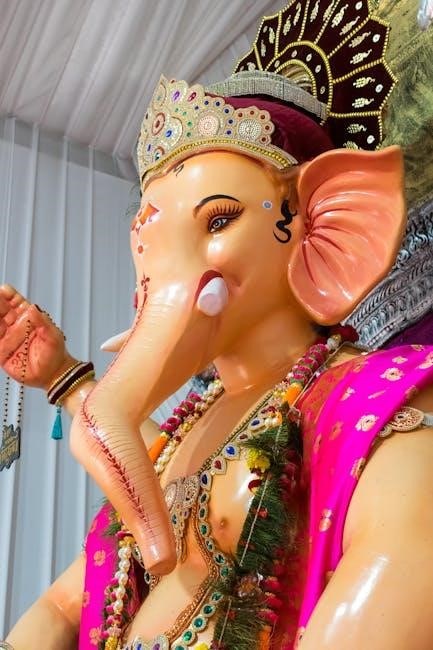
Furthermore, Ganesha’s role as a remover of obstacles aligns with upholding Dharma, as obstacles often hinder righteous paths․ The Katha suggests that seeking Ganesha’s blessings isn’t simply about personal gain, but about aligning oneself with universal ethical principles․
XVIII․ The Relevance of Vinayaka Chavithi in Contemporary Society
Even as detailed in the Vinayaka Chavithi Katha PDF, the festival’s core message of overcoming obstacles remains profoundly relevant today․ In a world filled with challenges, Ganesha symbolizes hope and the power to navigate difficulties with wisdom and grace․ The emphasis on family values, inherent in the Katha, provides a counterpoint to modern societal fragmentation․
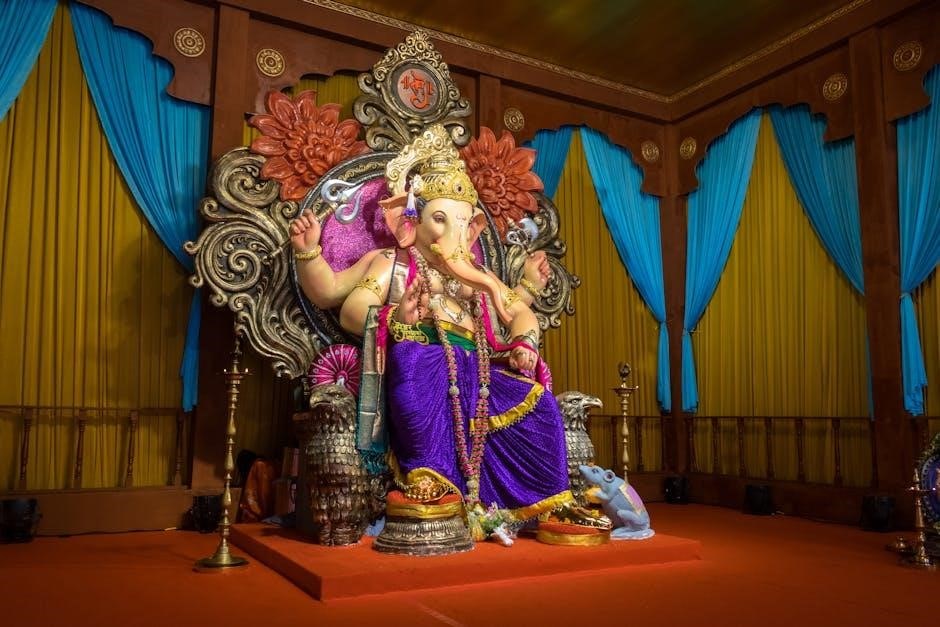
Moreover, the festival encourages community bonding and cultural preservation․ The PDF’s narrative reinforces the importance of ethical conduct and devotion, offering a spiritual anchor in an increasingly complex world․
XIX․ Frequently Asked Questions (FAQs) about Vinayaka Chavithi
Based on the Vinayaka Chavithi Katha PDF, a common question is: What is the significance of Ganesha’s elephant head? The PDF explains it symbolizes wisdom, strength, and detachment․ Another frequent inquiry: Why was Ganesha’s head severed? The Katha details the circumstances surrounding Shiva’s action and subsequent restoration with an elephant’s head․
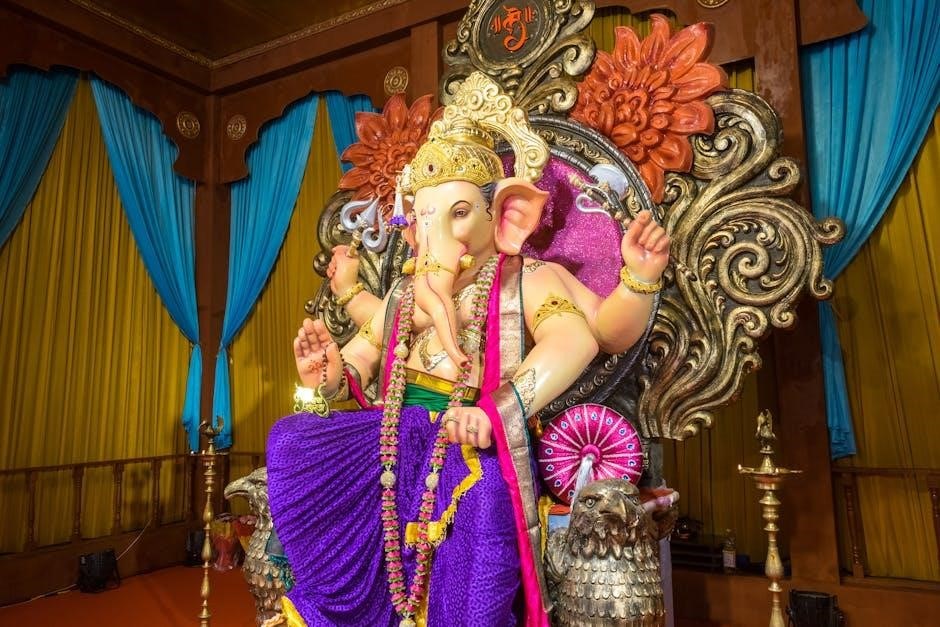
Furthermore, people ask about the meaning of Visarjan․ The PDF clarifies it represents the cyclical nature of creation and dissolution․ Finally, what moral lessons does the Katha impart? The PDF highlights devotion, respect for elders, and overcoming obstacles․
XX․ Resources for Further Learning (Books, Websites, etc․)
Regarding the Vinayaka Chavithi Katha, the TeluguOne․com PDF (vinayaka_telugu․pdf) serves as a primary source, offering a detailed narrative of the story․ For deeper understanding of the Katha’s symbolism, exploring texts on Hindu mythology and Ganapatya traditions is beneficial․
Websites dedicated to Indian festivals often feature variations of the Katha and related rituals․ Scholarly articles on Lord Ganesha’s origins and significance can provide further context․ Additionally, regional literature and folklore collections may contain unique interpretations of the story, enriching comprehension․
XXI․ Conclusion: The Enduring Legacy of Vinayaka Chavithi
The Vinayaka Chavithi Katha, as presented in resources like the TeluguOne․com PDF (vinayaka_telugu․pdf), continues to resonate deeply within Hindu communities․ This narrative, detailing Ganesha’s birth and adventures, reinforces themes of devotion, overcoming obstacles, and familial love․
The festival’s enduring popularity stems from its accessibility and the Katha’s moral lessons․ It’s a celebration that bridges generations, fostering cultural identity and spiritual growth․ The story’s continued retelling ensures Ganesha’s relevance in contemporary society, solidifying his position as a beloved deity․
Leave a Reply
You must be logged in to post a comment.